
For Investors
Buy the right property. For the right reason. At the right price.
Property investing looks simple from the outside, buy, let, collect. In practice, the wrong property in the wrong suburb under the wrong strategy will bleed money for years. This is the page for buyers who want to make the numbers work before they sign.
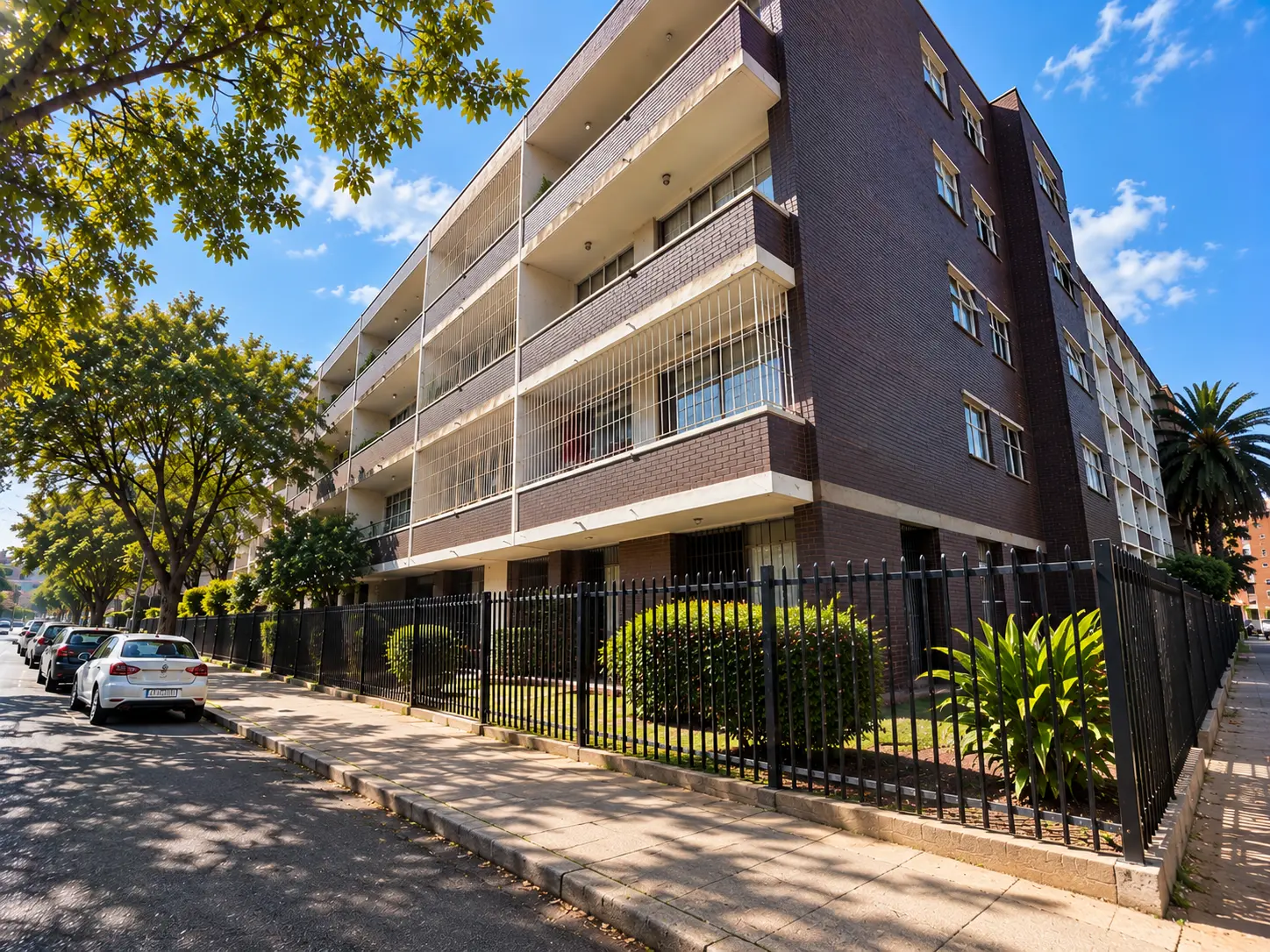
The comparison most investors skip
Everyone compares purchase price and monthly rental. Almost nobody compares net income under two different rental strategies for the same property. That is usually where the real answer is.
Short-stay is not always available
Even if the numbers work, sectional title schemes, HOAs and municipal by-laws frequently prohibit short-stay letting. Confirm before you buy, not after. The Compliance Notice on the comparison tool spells out what to check.
Cash flow first, capital growth second
Capital growth is real but variable. Cash flow keeps you solvent while you wait for it. A property that costs you money every month is a bet, not an investment.
How we help you invest
Five stages, starting with your objective.
Research and advisory work has value whether or not you end up buying. If the numbers do not support a purchase, that is a useful answer. Fees are scoped according to the size, complexity and requirements of the engagement.
- Stage 1
Understand the Investment
We start with your capital, financing position, objectives, required return, risk tolerance, operational preferences and constraints. The property comes after the objective, not before it.
- Stage 2
Research the Opportunity
We research the market, source and compare properties, analyse locations and screen opportunities against your requirements. We assess several property types and strategies rather than defending one.
- Stage 3
Assess Before You Commit
Shortlisted opportunities are examined in more detail: expected performance, income potential, cash flow, risks and relevant market factors. Where formal due diligence or professional assessment is required, we coordinate appropriately qualified specialists.
- Stage 4
Support the Acquisition
We coordinate the relevant elements of the transaction and the professionals involved through the acquisition process. Where applicable, an acquisition or success fee is agreed in writing before work begins.
- Stage 5
Implement and Optimise
After acquisition you may appoint BookingLoop to develop the operating strategy, manage the property and continue monitoring and improving its performance.
Tell us what you are trying to achieve with your money.
We will assess the market and help determine what property strategy makes sense.
Discuss an Investment
Important investment notice
Short-stay accommodation is not permitted on every property.
Before assuming short-stay (Airbnb / nightly) income when comparing a purchase, confirm that the property is legally and contractually allowed to operate that way. The rules that most commonly restrict short-stay letting in South Africa are:
- • Sectional title schemes may prohibit short-term letting in the conduct rules.
- • Body Corporates can restrict or ban Airbnb-style rentals by special resolution.
- • Homeowners' Associations in estates often disallow daily or nightly bookings.
- • Estate security policies frequently prohibit frequent guest turnover.
- • Some developments require minimum lease periods (30, 90 or 180 days).
- • Municipal by-laws and zoning may require a business licence for guest accommodation.
Verify the conduct rules, HOA constitution, title deed conditions and municipal zoning before purchasing a property with short-stay income assumed in the numbers.
Model the numbers
Calculators built for this decision
Investment Comparison Tool
House vs apartment vs townhouse, or monthly rental vs short-stay, side by side.
Open toolBond Affordability Calculator
Know your budget before you fall in love with a listing.
Open toolShort-Stay Revenue Calculator
Model short-stay income at realistic seasonal occupancy.
Open toolLong-Term Rental Calculator
Cash flow, net yield and vacancy assumptions for a traditional let.
Open toolQuestions we hear
Straight answers, before you commit to anything.
What makes a good investment property?
A good investment is one that generates positive net cash flow at a realistic occupancy, in a suburb with steady demand, using a rental strategy that is legally allowed on that property. Everything else is speculation.
Free-standing house, apartment or townhouse, which wins?
Apartments usually offer better yields; townhouses balance yield and lifestyle demand; free-standing houses appreciate faster but earn thinner yields. Use the Investment Comparison Tool to model your specific numbers.
Monthly rental vs short-stay, which earns more?
Short-stay grosses more but costs more to run and is not allowed everywhere. Monthly rental earns less gross but with lower effort and less risk of regulatory disruption.
What are the typical costs I should budget for?
Bond repayments, levies (sectional title), municipal rates, insurance, maintenance (budget 1% of value per year), vacancies (one month per year is a safe starting point), and management fees if you do not self-manage.
What are the real risks?
Interest rate rises, tenant default, prolonged vacancies, unexpected maintenance, and, for short-stay, regulatory changes at municipal or scheme level.
What returns should I expect?
Gross rental yields in South Africa typically range from 6% to 10% depending on suburb, property type and strategy. Net yields after all costs are meaningfully lower, often 3% to 6%.
How do I check occupancy assumptions?
Look at real listings in the suburb, ADR from AirDNA or similar, agent letting histories for long-term. Never trust a seller's occupancy claim without evidence.
How do I finance an investment property?
Banks typically want a 10-20% deposit for investment purchases and factor projected rental income into affordability. Speak to a bond originator early to know what you actually qualify for.
What due diligence should I do before signing?
Read the sectional title conduct rules, check body corporate or HOA restrictions on letting, verify municipal zoning, confirm the property is compliant (electrical, gas, beetle where required), and get an independent valuation.
Investment Comparison Tool
House vs apartment vs townhouse, or monthly rental vs short-stay, side by side.
Bond Affordability Calculator
Know your budget before you fall in love with a listing.
Short-Stay Revenue Calculator
Model short-stay income at realistic seasonal occupancy.
Long-Term Rental Calculator
Cash flow, net yield and vacancy assumptions for a traditional let.
A one-hour buyer advisory call has saved more clients from bad deals than any spreadsheet.
Book a buyer advisory call